The History of the Tignon: How a Colonial Law Sparked Cultural Resistance
In the humid streets of 18th-century Louisiana, a piece of cloth became a quiet act of rebellion.
The Tignon Law of 1786 was enacted under Spanish colonial rule in what is now New Orleans. Officially known as the Edict of Good Government, the law required free women of African descent and enslaved Black women to cover their hair with a tignon (also spelt tignon or tiyon). Colonial authorities believed that these women, many of whom were of mixed African, Caribbean, and European heritage, were becoming “too elegant,” too visible, and socially threatening. Their hairstyles, often adorned with jewels, feathers, and ribbons, were seen as competing with white women and challenging racial hierarchies.
The intention was clear: to mark Black women as inferior and restrict their expression.
But what the law attempted to suppress, Black women transformed.
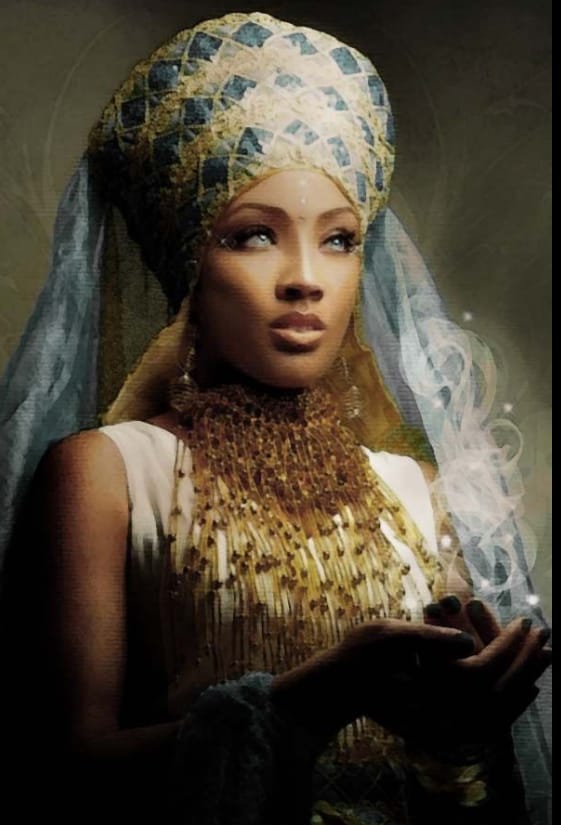
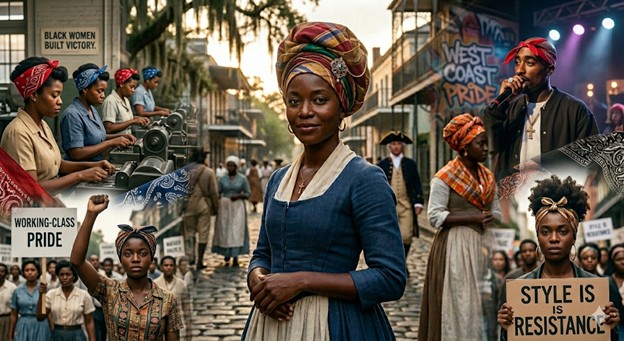
Rather than wearing plain clothes in submission, women in Louisiana styled their tignons with vibrant fabrics, intricate folds, and bold wrapping techniques. They layered colours. They added embellishments. They turned a symbol of imposed modesty into a canvas of creativity and dignity. In doing so, they subverted the very purpose of the law.
The tignon became more than a head covering – it became armour.
In colonial Louisiana’s complex racial caste system, appearance carried social and economic consequences. Free women of colour often ran businesses, owned property, and participated actively in the cultural life of New Orleans. Dressing well was not vanity; it was visibility, autonomy, and self-definition. By elevating the tignon into high style, these women asserted: You may attempt to define us, but we will define ourselves.
Over time, the headwrap evolved beyond legal enforcement. After the United States acquired Louisiana through the Louisiana Purchase, the strict enforcement of the Tignon Law waned. Yet the headwrap endured. It remained woven into Creole culture, African diasporic traditions, and Southern Black identity.
The tignon also connects Louisiana to a broader Atlantic world. Headwrapping traditions have deep roots across West and Central Africa, where cloth and wrapping styles signified marital status, spirituality, age, and community belonging. Enslaved Africans carried these aesthetic and cultural practices with them across the Middle Passage. In Louisiana, African traditions blended with Caribbean and European influences, creating something distinctly Creole – and distinctly resilient.
Today, the tignon stands as a powerful historical reference point in conversations about beauty politics and racialized dress codes. Black women’s hair continues to be policed in workplaces and schools across North America. Against that backdrop, the story of the tignon feels strikingly contemporary. What began as a law designed to diminish Black femininity now symbolizes cultural pride and resistance to imposed standards.
Modern designers, cultural historians, and community leaders have revived the tignon as a heritage piece. Workshops in New Orleans teach traditional wrapping styles. Artists reinterpret the look in photography and fashion. Within African diaspora communities, headwraps are worn for celebration, ceremony, protest, and everyday elegance.
The legacy of the tignon is not just about fabric. It is about transformation.
It tells the story of women who refused invisibility. Of creativity born under constraint. Of beauty used as resistance. In the folds of each wrap lies a history of defiance – quiet, strategic, and enduring.
What was meant to conceal became a crown.